Builders rubbish clearance Weybridge High Street Surrey
Posted on 13/10/2026
Builders rubbish clearance Weybridge High Street Surrey: a practical, local guide for faster, safer site clean-ups
If you are dealing with renovation debris, broken plasterboard, timber offcuts, packaging, rubble, or the general chaos that appears halfway through a build, you will know how quickly a small job turns into a pile of stuff nobody wants to look at. That is where Builders rubbish clearance Weybridge High Street Surrey comes in. It is not just about "taking waste away". It is about keeping a project moving, reducing hazards, staying tidy around a busy high street setting, and making sure the right materials are handled properly.
Weybridge High Street has its own rhythm: shops opening, deliveries arriving, pedestrians passing, and projects that need to be done without turning the whole frontage into a mess. This guide explains how builders' waste clearance works, what to expect, who it helps, and how to choose a sensible service without overcomplicating things. Let's face it, nobody wants to spend a day loading heavy bags into a car when the trades could be finishing the job.
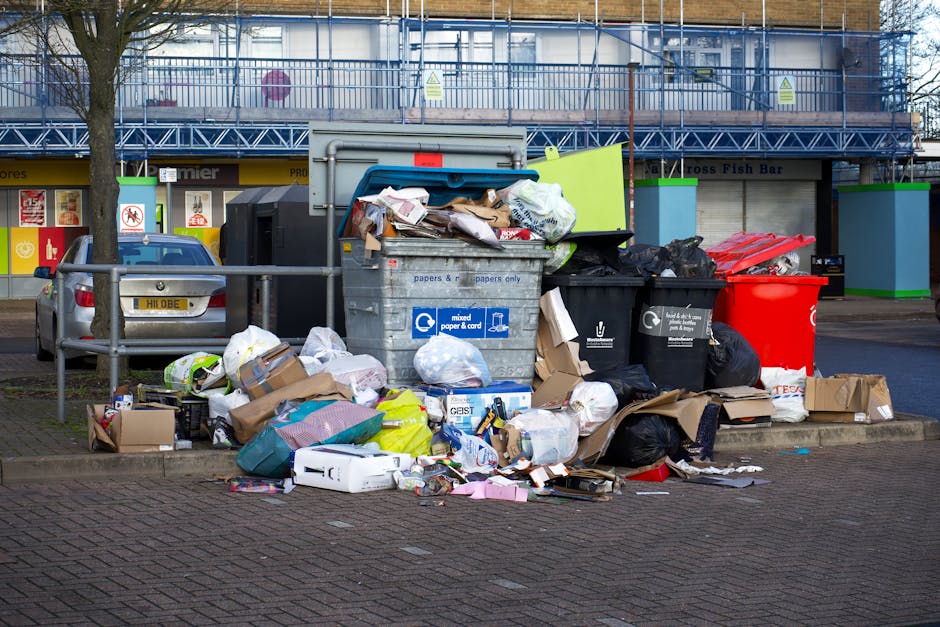
Why Builders rubbish clearance Weybridge High Street Surrey Matters
Builders waste is different from ordinary household rubbish. It is usually heavier, messier, and more varied. A typical load might include plasterboard, broken tiles, bricks, soil, offcuts, old fixtures, packaging, and dusty bags that seem to multiply overnight. If you leave that material sitting around, it can quickly create safety issues, delay the next trade, and make a project look unfinished even when most of the hard work is done.
On or near a high street, the stakes are even higher. Access is often tighter. Parking can be awkward. You may have neighbours, customers, or other businesses nearby. Waste left outside too long can block routes, attract complaints, and make simple tasks much harder than they should be. In a live working area, clearance is part of the project, not an afterthought.
There is also the matter of material handling. Builders waste is not always harmless just because it looks like "rubbish". Some items need sorting, some can be recycled, and some should be kept separate for safety or compliance reasons. A well-run clearance keeps that process straightforward instead of chaotic. And when the site is cleaner, everyone works better. Simple as that.
Expert summary: Good builders rubbish clearance is really a project control tool. It protects access, reduces risk, keeps neighbours happier, and helps the job finish on time without the dreaded last-day panic.
How Builders rubbish clearance Weybridge High Street Surrey Works
The process is usually simpler than people expect. You do not need to turn it into a complicated logistics exercise. In most cases, a clearance service will ask what type of waste you have, how much there is, where it is located, and whether access is straightforward. From there, the job is planned around the load size and the collection conditions.
For builders rubbish clearance, the practical workflow often looks like this:
- Initial description - You explain the waste types, location, and urgency. Photos can help a lot.
- Estimate or quote - The service gauges labour, vehicle size, loading time, and any special handling needs.
- Arrival and assessment - The team checks access, volume, and what can be loaded safely.
- Loading and sorting - Waste is removed, usually with some separation for recyclable materials where practical.
- Final sweep-up - A decent clearance leaves the area tidy, not just emptied.
- Responsible disposal - The waste is taken to an appropriate facility and handled in line with normal UK waste practice.
If the job is in a busy area like Weybridge High Street, timing matters too. You may need an early collection, a smaller vehicle, or a slightly more careful approach to loading so the pavement, shopfront, or entrance remains usable. Sometimes the cleanest solution is not the biggest lorry. It is the one that fits the site.
If your project includes other waste streams as well, it can help to look at a broader services overview so the clearance plan matches the full job rather than just the obvious pile of rubble.
Key Benefits and Practical Advantages
A proper builders waste clearance service brings more than a tidy finish. The real value is in how it supports the job while it is still in progress. That can be the difference between a smooth week and a very annoying one.
- Safer working conditions: Loose rubble, nails, splintered wood, sharp packaging straps, and stacked bags can create avoidable hazards.
- Better site flow: Trades can move materials more easily when the waste is not blocking walkways or doorways.
- Less stress on busy sites: On high streets, clutter quickly becomes visible clutter. Clearing it keeps the site under control.
- Cleaner handovers: If you are finishing a refurb, clean-up work often matters as much as the building work itself.
- More suitable for mixed waste: Builders waste is rarely just one thing, so a mixed-load approach is often more practical than DIY trips.
- Potential recycling value: Some materials can be separated, which is better for the environment and can sometimes improve efficiency.
There is also a quieter benefit people only notice later: fewer interruptions. When rubbish piles up, someone has to stop and sort it out. Then the day fractures, and momentum disappears. A good clearance keeps momentum alive. And momentum, to be fair, is worth quite a lot on a live job.
If sustainability is part of your decision-making, it may be worth reading more about recycling and sustainability so you know how materials are commonly handled and what good practice looks like.
Who This Is For and When It Makes Sense
Builders rubbish clearance is useful for a wide range of people, not just large contractors. In Weybridge and nearby Surrey areas, it can make sense for:
- Homeowners renovating kitchens, bathrooms, lofts, or extensions
- Builders and tradespeople needing regular site clear-downs
- Landlords preparing a property for tenants or sale
- Shopfitters and small commercial teams working near the High Street
- Property managers dealing with end-of-project debris
- DIY renovators who have underestimated how much waste a job creates
It makes particular sense when the waste is bulky, dusty, awkward, or too much for a normal car. A single bathroom rip-out can generate far more material than people expect. A kitchen strip-out does the same. Then there are the awkward items: old units, broken worktops, packaging, offcuts, chipped tiles, and that one heavy bag of rubble that somehow feels twice its actual weight.
It also makes sense when access is tight. If you are dealing with a narrow frontage, limited parking, or time-sensitive loading windows, a planned clearance is far more sensible than trying to piece it together yourself in several trips.
Step-by-Step Guidance
If you want the cleanest result with the least fuss, a little planning goes a long way. Here is a simple way to approach it.
- Identify the waste type
Separate rubble, timber, packaging, metal, plasterboard, and general mixed debris where you can. It helps with pricing and handling. - Estimate the volume honestly
People often undercount. If in doubt, round up rather than down. A half-filled bag stack can still be awkward to move. - Check access
Look at where a vehicle can stop, how far items must be carried, and whether stairs, narrow corridors, or lifts are involved. - Flag anything unusual
Large glass panes, heavy sanitaryware, paint tins, insulation, or mixed materials may need extra care. - Book at the right time
If the project is busy, choose a slot that avoids deliveries, trade overlap, or customer footfall. Morning collections are often easier. Not always, but often. - Prepare the waste area
Keep the load in one place if possible. The more spread out it is, the longer the collection can take. - Confirm what is included
Ask whether loading, sweep-up, and disposal are part of the service so there are no surprises. - Keep paperwork or notes
For commercial jobs, it is smart to keep a simple record of what was removed and when. Nothing fancy, just useful.
A small bit of preparation can save a surprising amount of time. There is a real difference between "we've got a pile of builders' waste" and "the pile is sorted, accessible, and ready to go". That difference shows up in the finished cost and in the mood of the site.
Expert Tips for Better Results
Over time, the best waste clearances tend to have the same traits: clear communication, realistic timing, and no pretending the site is tidier than it is. A few practical tips make a noticeable difference.
Keep mixed waste under control early
If rubble, timber, and packaging all get thrown into one corner from day one, the pile gets harder to manage. Even light separation makes the job easier later. You do not need military precision. Just enough order to stop the mess becoming one big lump.
Use photos before booking
Pictures usually tell the story faster than a long description. A few wide-angle shots of the waste area help with estimating labour, access, and vehicle needs. This is especially useful for high street properties where the layout can be a bit awkward.
Think about timing around foot traffic
If you are on or near Weybridge High Street, consider local activity patterns. A collection that is simple at 10 a.m. can feel more awkward at lunch or during a delivery window. Quiet timing often means smoother loading.
Do not wait until the site is buried
Truth be told, the easiest clearance is the one booked before the pile becomes a small geological feature. Regular removal during a project can keep work flowing and stop waste from taking over useful space.
Separate obvious recyclables where practical
Cardboard, clean metal, timber, and some inert materials may be easier to handle when they are not mixed into a sludge of dust and offcuts. It is a simple thing, but it helps.
One more thing: if a quote sounds unusually low, ask what is actually included. A bargain that turns into extra charges is not really a bargain. It is just a slower disappointment.

Common Mistakes to Avoid
Most problems with builders waste clearance are preventable. A few common mistakes come up again and again.
- Underestimating the volume: Builders waste always seems smaller before it is piled together.
- Mixing everything without thought: Some items can be harder or more expensive to handle when they are all lumped together.
- Forgetting access issues: Narrow entrances, staircases, or parking restrictions can change the whole job.
- Leaving it too late: A clearance booked after the site is already blocked often takes more time and causes more stress.
- Not checking what the service includes: Loading, labour, disposal, and tidy-up are not always packaged the same way.
- Ignoring compliance questions: Waste should be handled by a responsible carrier and taken to appropriate facilities.
Another quiet mistake is treating builders rubbish as if it were all the same. It is not. Plasterboard, rubble, timber, metal, packaging, and broken fixtures do not all behave the same way in transport or disposal. A little awareness saves a lot of hassle later.
Tools, Resources and Recommendations
You do not need specialist equipment to arrange waste clearance, but a few basic tools make the process smoother. Nothing dramatic. Just practical stuff that helps you avoid silly delays.
- Photo evidence: Use your phone to capture the waste pile, access points, and any awkward areas.
- Simple measuring reference: A tape measure or known object size helps estimate how much waste there really is.
- Basic sorting bags or containers: Useful for separating lighter waste before collection.
- Access notes: Write down parking, gate codes, loading restrictions, or contact names if the site is commercial.
- Project schedule: Match waste removal to the build plan so you do not clear too early or too late.
If you are comparing different services or want a broader look at what is offered in the area, the waste clearance Surrey page is a helpful place to understand the wider picture. For general domestic overflow from a renovation, domestic waste collection Surrey may also be relevant. And if the job includes furniture or fixtures that need shifting, furniture removal Surrey can be a useful related service.
For customers who want a clearer sense of pricing structure before booking, pricing and quotes is worth reviewing. It helps set realistic expectations, which is always a good thing when a project is already under pressure.
Law, Compliance, Standards, or Best Practice
Waste clearance in the UK is not something to treat casually. You do not need to be a compliance expert to book a service, but you should know the basics. Builders rubbish should be collected and transported by a responsible operator, and waste should be taken to appropriate disposal or recovery facilities.
In practical terms, that means you should check whether the company follows normal waste carrier requirements and can explain how waste is handled. It is also sensible to ask about insurance and safe working practices, especially on busy sites or where lifting is involved. If a team is working around customers, trades, or the public, their approach needs to be tidy and careful, not rushed and careless.
Best practice also means being honest about what is in the load. If there are potentially hazardous items, sharp materials, or anything unusual, that needs to be mentioned up front. A bit of honesty saves a lot of friction. No one enjoys surprises when a van is already half loaded.
For a straightforward overview of how a provider approaches these issues, you can review waste carrier licence and compliance and insurance and safety. Those pages help you understand the standards a serious provider should be ready to discuss.
One more point: keep your own records where appropriate. For commercial or managed properties, simple notes about dates, waste type, and contractor details can be surprisingly useful later. Nothing fancy, just tidy documentation.
Options, Methods, or Comparison Table
There is more than one way to deal with builders waste, and the best option depends on volume, access, urgency, and how much labour you want to do yourself. Here is a simple comparison.
| Method | Best for | Advantages | Limitations |
|---|---|---|---|
| DIY trips to the tip | Very small loads | Can seem cheaper at first | Time-consuming, physically hard, often impractical for bulky waste |
| Skip hire | Ongoing works with space available | Useful for steady accumulation of waste | Needs space and can be less flexible for access-limited sites |
| Man and van clearance | Mixed builders waste, tight access, quick removal | Flexible, labour included, usually faster on busy sites | Best value depends on load size and access conditions |
| Phased clearances | Longer renovation projects | Keeps site tidy throughout the build | Requires planning and regular scheduling |
For a High Street setting, the flexibility of a clearance service is often the biggest advantage. You may not have room for a skip, or you may not want one sitting outside for days. In that situation, a timed collection can be far more convenient. If the job also includes larger household items, the broader house clearance Surrey service may be worth considering too, especially where renovation and decluttering overlap.
Case Study or Real-World Example
Here is a realistic scenario. A small property refurbishment near Weybridge High Street is halfway through. The old kitchen is out, the flooring has been lifted, and the entrance hall has become a temporary holding area for bags, broken boards, and a growing stack of packaging. At first, the waste does not seem too bad. Then the plasterboard dust spreads, the hallway gets narrower, and the trades start stepping over things rather than through them.
Instead of waiting until the end, the owner arranges a builders waste clearance during the middle of the project. The team arrives with the right vehicle size, checks access carefully, loads the rubble and mixed debris, and clears the route through the front entrance. The job feels calmer almost immediately. The decorator gets space to work. The kitchen installer can move materials without squeezing past piles. The owner stops worrying about whether the front of the property looks like a bomb site. A bit dramatic, maybe. But you know the feeling.
The useful lesson here is not complicated: clearing waste mid-project can improve the whole rhythm of the build. You get better access, less visual clutter, and fewer minor accidents. A tidy site is rarely glamorous, but it is incredibly effective.
Practical Checklist
Use this before you book or schedule your collection. It keeps things sensible.
- Have you identified the main waste types?
- Do you know roughly how much needs removing?
- Is access clear for the collection team?
- Have you checked parking or loading restrictions?
- Are any items unusually heavy, sharp, dusty, or awkward?
- Do you need the clearance to happen before a trade arrives?
- Have you asked what is included in the service?
- Do you need proof of responsible disposal for records?
- Could anything be separated for recycling first?
- Is the waste area safe to load without blocking others?
Quick reminder: if the site is already feeling cramped, book sooner rather than later. Waiting usually makes everything less pleasant. Simple truth.
Get a free quote today and see how much you can save.
Conclusion
Builders rubbish clearance in Weybridge High Street is really about keeping a project practical, tidy, and safe in a place where space and timing matter. When the waste is gone, the job breathes again. Trades can move. Access improves. The place looks cared for, which matters more than people sometimes admit.
If you are planning work on a property, shop, or rental and the waste is starting to get in the way, the sensible move is to deal with it before it becomes a bigger problem. A good clearance saves time, reduces stress, and helps the work finish properly. And honestly, a clean site just feels better. That last sweep-up can be a small moment, but it is a satisfying one.



 Tipper Van - Waste Collection and Rubbish Removal Prices in Surrey, GU1
 Luton Van -